Expanding the Pollinator Haven at Sears Field
Rotary and conservation partners continue restoring native habitat for pollinators.
Our Rotary Conservation Committee continues its stewardship of Sears Field through collaboration with the Waltham Land Trust and the Weston Conservation Commission. Together, these partners are expanding native plant gardens and improving habitat to support pollinators and strengthen the field’s ecological health.
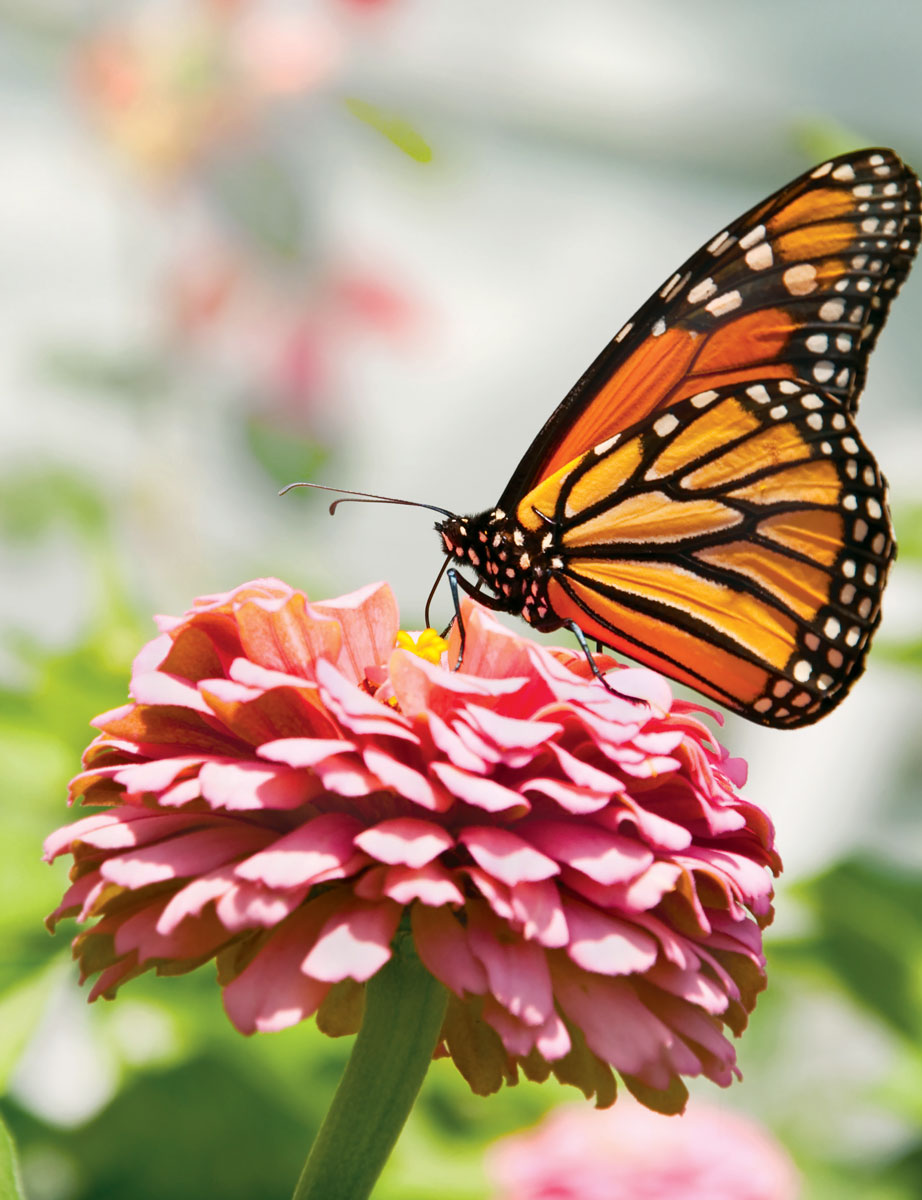 Supporting pollinators—especially monarch butterflies—remains a key goal of this work. Milkweed has now been planted within protected garden areas so that it can grow undisturbed while routine mowing continues to control invasive black swallow-wort.
  These plantings help ensure monarch butterflies can return to the field and find the host plants they need to survive.
Over the past six years, Rotary volunteers have helped restore Sears Field by removing invasive plants and establishing native plant gardens designed to support pollinating insects. Last fall, additional native plants were added, bringing the total number of gardens to six.
This year our Rotary Conservation Committee will survey the gardens following last summer’s drought to determine which native plants are most resilient and best suited for future plantings. A map of the field will also be developed to document the growing restoration work underway.
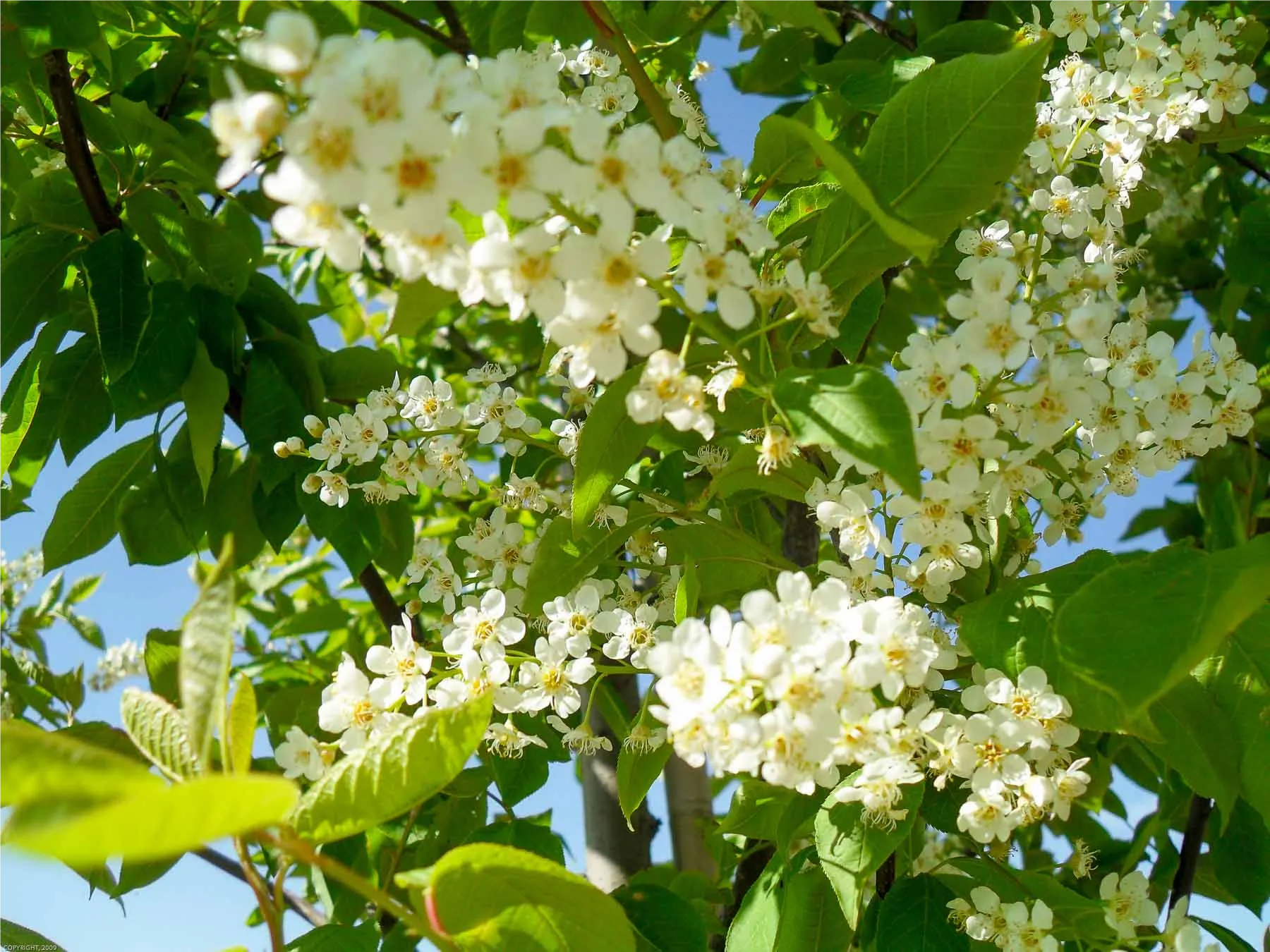
New this year, three chokecherry trees will be planted at the field. These native trees serve as host plants for moths and provide food sources for many pollinators, further strengthening the habitat.
Community volunteers continue to play an important role as well. Last year, volunteers from the Weston Conservation Commission helped cut grasses near the gardens where mowing equipment cannot safely reach. Two seasonal mowings will also continue to prevent invasive black swallow-wort from going to seed.